
Boiling water in polypropylene (PP) electric kettles has become a routine practice in countless households. Yet, could this seemingly harmless habit be quietly introducing millions, or even billions, of nanoplastic particles into the body every day?


Professional sports are not merely a contest of technique or strength. They represent a demanding journey of constant training, sustained pressure, and uncompromising physical and mental discipline. Every training session requires full concentration, and every competition pushes the body to its limits both physically and mentally.
In such an environment, strength alone is not enough. Long-term performance depends on the ability to maintain endurance, manage fatigue, and stay well-recovered between training sessions and competitions.

Staying properly hydrated is one of the simplest and most effective ways to support kidney function. For most healthy adults, drinking 1.5 to 2 liters of water per day is recommended, though individual needs may vary depending on climate, physical activity, and overall health status.

As pollution and climate change continue to intensify, building a sustainable lifestyle is no longer a choice—it is a responsibility we all share. From the way we travel and eat to our daily hydration habits, every action contributes to the future of our planet.
At BWT, we believe that small, consistent changes can create meaningful impact. Our vision, “Change the World – Sip by Sip,” reflects this belief: every conscious hydration choice you make today is a step toward protecting both your health and the environment.
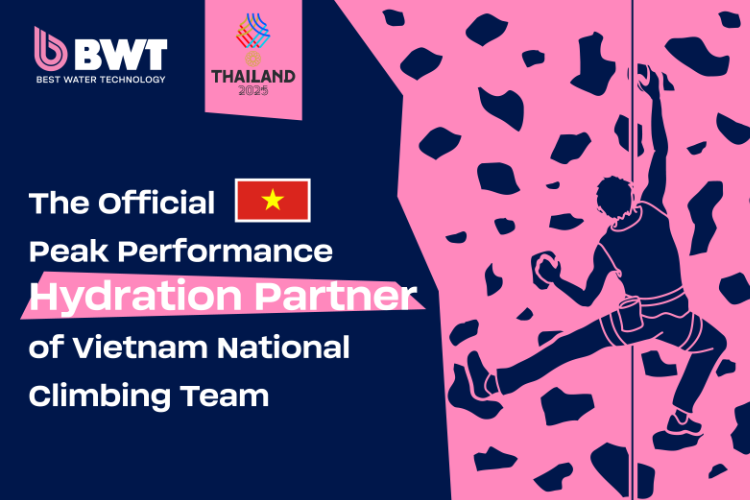
💓 BWT Vietnam is proud to announce its official partnership as the Peak Performance Hydration Partner of the Vietnam National Climbing Team for the upcoming SEA Games 2025 and all competitions and training activities throughout 2026.
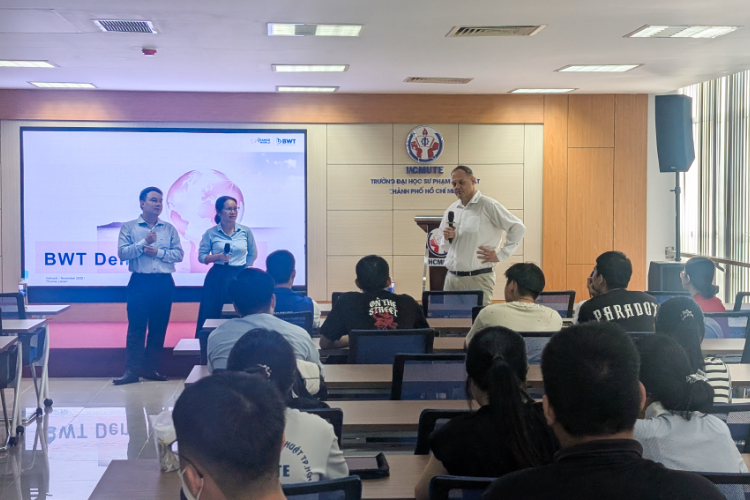
On the afternoon of November 11, 2025, BWT Vietnam collaborated with the Ho Chi Minh City University of Technology and Education (HCMUTE) to host a specialized workshop on “Advanced Water Treatment.” The event attracted strong interest from students eager to advance their expertise in the field of water treatment.
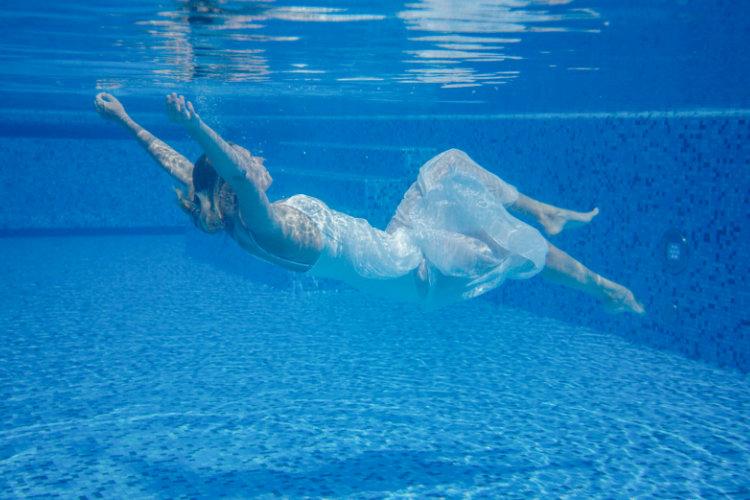
Swimming is widely regarded as one of the best forms of exercise for cardiovascular and respiratory health, yet few people realize that the swimming pool environment especially chlorine-treated pools, can pose far more health risks than we imagine.
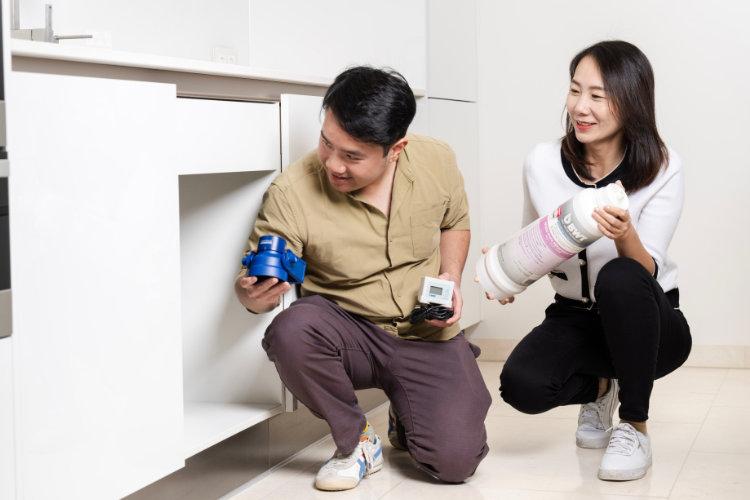
During the operation of a water filtration system, some users may feel concerned when they notice unusual occurrences. However, what might appear to be a malfunction is, in fact, a completely normal and necessary part of the filtration process — often a sign that your system is functioning at peak performance.
Below are the most common phenomena you might observe, and why you can rest assured when they occur:

A scientific review published in Frontiers in Nutrition (2023) has raised important questions about the long-term health effects of consuming very low-mineral or demineralized water — particularly among children. The paper highlights growing evidence that drinking water lacking essential minerals such as calcium and magnesium may negatively influence cardiovascular development and metabolic health during early life.
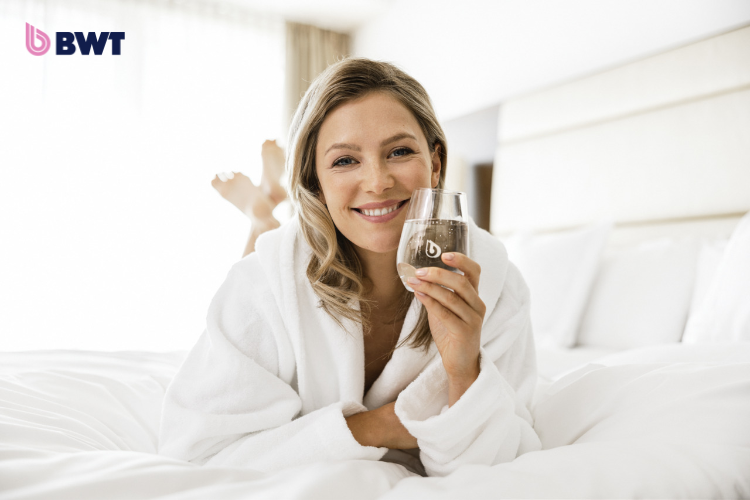
In the world of hospitality, every detail matters. From the glass of water served at a restaurant to the softness of bath towels and the clarity of the swimming pool, water quality silently defines a guest’s experience of comfort, cleanliness, and care.